Men’s Headscarf and Bandana: How to Wear One
Four simple ways for men to wear a bandana or headscarf — headband, head wrap, neckerchief and pocket — and which fabric to choose.
A bandana is the most versatile small square in menswear: headband, head wrap, neckerchief or pocket square. It keeps sweat and sun off on hot days and adds an easy dose of color. Whether you call it a men’s headscarf, a head wrap or simply a bandana, the same square of cotton or silk can be tied half a dozen ways.
This guide covers sizes and fabrics, step-by-step instructions for the main styles, outfit ideas, care, and the mistakes that make a bandana look like a costume.
What you need
A cotton square around 20–22 inches is the classic bandana size. Larger silk or cotton squares (around 27 inches) work better as head wraps.
| Square size | Best for |
|---|---|
| About 20–22 in | Headband, neckerchief, pocket |
| About 27 in | Full head wrap, looser neck styles |
| Larger squares | Sun cover over the head and neck, wraps |
The bandana’s classic paisley print descends from a teardrop motif long used in Persian and Indian textiles. It takes its English name from Paisley in Scotland, a town once famous for weaving shawls with the pattern.
1. The headband
- Fold the square into a triangle.
- Roll it from the point into a band about 2 inches wide.
- Wrap it around your forehead and tie it at the back of the head.
Tie a square knot so it lies flat against the back of your head, and tuck the ends under. A headband keeps sweat out of your eyes during sport, yard work or a hot day outdoors, and it holds longer hair off your face.
2. The men’s headscarf: a full head wrap
- Fold into a triangle and place it on your head with the point at the back.
- Bring the two ends behind your head over the point and tie them.
- Tuck the point under the knot.
Practical for sun, sport and workshop days.
Set the folded edge just above your eyebrows or a little higher, depending on how much of your forehead you want covered. A larger square gives you more fabric to tie securely. Cotton is the best choice here because it absorbs sweat and stays put better than smooth silk.
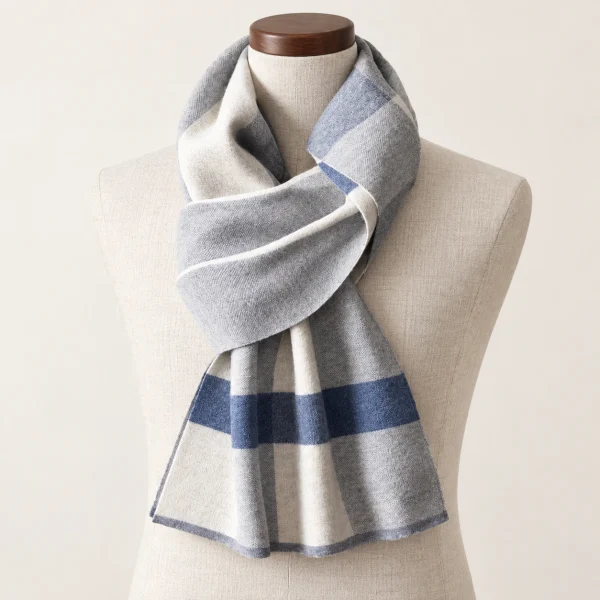
3. Around the neck
- Lay a square scarf flat.
- Fold it into a triangle, then roll it into a band.
- Tie it around your neck with a small knot at the side.
The neckerchief — the most wearable everyday option.
- Fold the bandana into a triangle.
- Roll or fold it from the long edge into a band.
- Tie it around your neck with a small knot at the front or side, and tuck the ends in.
For a Western look, skip the rolling and tie the triangle at the back of your neck so the point hangs in front. More ways to tie it are in our neck scarf guide.
4. In the pocket
Fold it loosely and let a corner show from a chore-jacket or blazer pocket.
A cotton bandana makes a relaxed pocket square for casual jackets; a silk one looks dressier. It also doubles as a handkerchief, which is how bandanas began for many working men.
More ways to wear a bandana
- Wristband: fold into a narrow band and tie around your wrist to wipe sweat during sport.
- On a bag: tie it to a backpack strap or tote handle as a splash of color that is always on hand.
- Dust cover: pulled over the nose and mouth on a dusty trail or job site. Note that a cotton bandana is not a substitute for a proper mask or respirator where one is needed.
- Under a hat: a thin cotton bandana under a cap or straw hat soaks up sweat and protects the back of the neck.
Fabrics and patterns
- Cotton: absorbent, washable — the classic. Our cotton scarf guide explains why it suits warm weather.
- Silk: smoother and dressier, better around the neck than on the head. See how to wear a silk scarf.
- Linen: very light and cool, though it creases.
- Performance fabrics: quick-drying synthetics designed for running and outdoor sport.
- Paisley: the traditional bandana print; navy and red are the easiest colors.
- Solids, dots and small prints: quieter options that look more grown-up; read what is a foulard for one classic small-print style.
Choosing a men’s headscarf or bandana
- For sport and work: a plain cotton or performance bandana in a dark color that hides sweat marks.
- For everyday style: a classic paisley in navy or red, or a solid in olive, rust or indigo.
- For dressier outfits: a silk square with a small print, worn at the neck or in a pocket.
- For sun: a larger, light-colored cotton square that can cover the head and the back of the neck.
Check the size before you buy, since bandanas vary, and look for neatly hemmed edges that will not fray after a few washes. For pairing ideas beyond bandanas, see men’s scarf fashion.
Outfit ideas
- Summer weekend: white T-shirt, jeans or chinos, red paisley bandana at the neck.
- Outdoor work: work shirt, canvas trousers, cotton head wrap to keep sun and sweat off.
- Festival or vacation: linen shirt, shorts, a faded bandana as a headband.
- Smart casual: navy chore jacket, Oxford shirt, a navy bandana folded in the pocket.
For more warm-weather ideas, see summer scarves for men.
Head coverings and tradition
This guide covers bandanas and headscarves as casual fashion and practical gear. Many men also wear head coverings for religious or cultural reasons, and those garments have their own meanings, materials and customs. Wear a bandana in a way that is comfortable for you, and be respectful of traditional head coverings that carry significance for others.
Bandana etiquette at work and in town
A bandana tied at the neck or folded in a pocket fits most casual workplaces and weekend plans. A head wrap reads as sporty or practical, so it suits the gym, the garden and the beach better than an office or a restaurant. When in doubt, move the bandana from your head to your neck or pocket.
Caring for bandanas
Cotton bandanas are usually machine washable, but follow the label. Wash bright reds and deep blues separately the first few times, since strong dyes can bleed. Line-dry or tumble on low if allowed, and press with a warm iron for a crisp neckerchief. Silk squares need gentler handling: hand wash or dry clean as the label says. Because a bandana sits against sweaty skin, wash it often.
Common mistakes
- Too many statements at once: a bandana, bold sunglasses, a printed shirt and a hat can look like a costume. Pick one or two.
- Tying it too tight: a headband that leaves a mark or a neckerchief that grips your throat is uncomfortable. Keep it snug but easy.
- Silk on the head for sport: it slips. Use cotton.
- A crumpled, faded look in smart settings: fine for the beach, less so at dinner. Press it.
FAQ
What size bandana for a man’s head?
About 20–22 inches for a headband; 27 inches or more for a full wrap.
Can I wear a bandana as a neck scarf?
Yes — that is the neckerchief. See how to wear a neck scarf.
Does a bandana protect from the sun?
It covers your scalp or neck, which helps on long days outdoors, but it is not a substitute for sunscreen and a proper hat.
Cotton or silk bandana?
Cotton for the head, sport and everyday wear; silk for a dressier neckerchief or pocket square.
Can I wear a bandana with a hat?
Yes. A thin bandana under a cap or straw hat absorbs sweat, or tie one loosely around a hat’s crown as a band.
We sell wool scarves: the closest picks for this look
71 × 12 in · finished edges · free tracked US shipping · 30-day returns
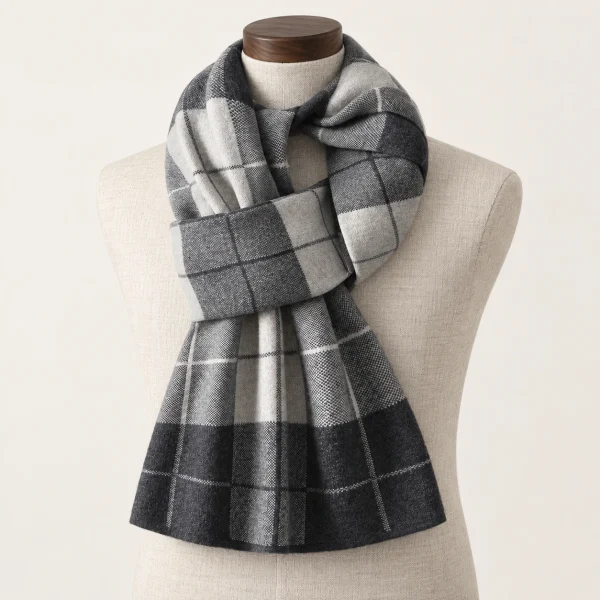 Light Gray Windowpane Reversible Wool Scarf$69.90Add to cart
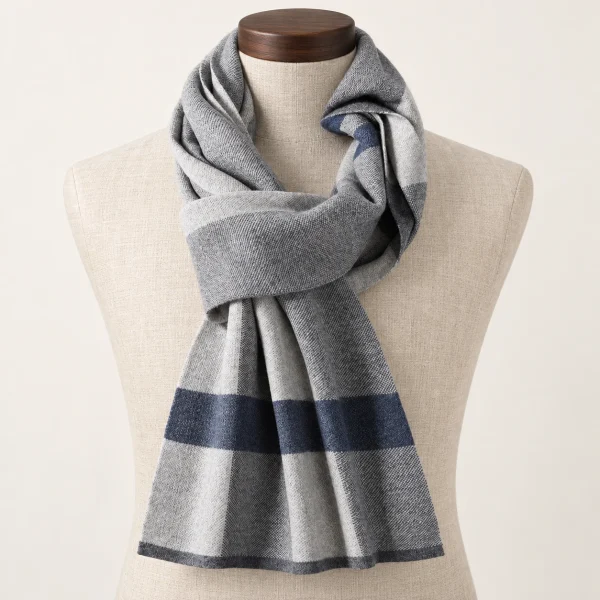 Ash Gray & Blue Stripe Wool-Blend Scarf$64.90Add to cart
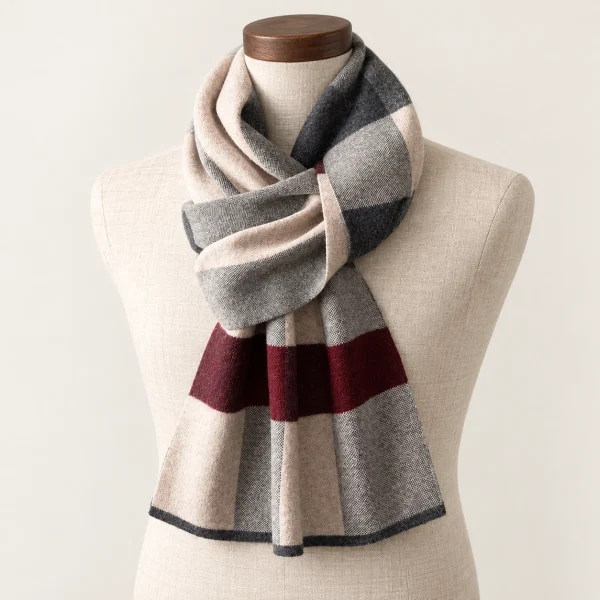 Beige & Burgundy Stripe Reversible Wool Scarf$69.90Add to cart
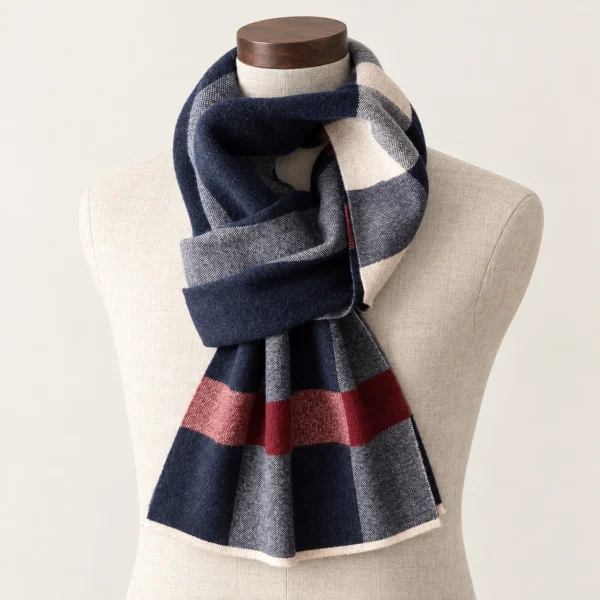 Navy & Rose Stripe Reversible Wool Scarf$69.90Add to cart