Itch-Free Scarves: Options for Men Who Can’t Wear Wool
Why some wool itches, which fibers are gentler on the neck, and the warmest non-wool scarves for men with sensitive skin.
Many men avoid scarves because wool makes their neck itch. The good news: the itch usually comes from coarse fibers, not wool itself — and there are plenty of soft and non-wool alternatives that are still warm. Itch-free scarves exist for every season and budget, from fine merino and cashmere to cotton, silk and easy-care synthetics.
This guide explains why some scarves prickle, which fibers and constructions are gentlest, how to test a scarf before you buy it, and a few practical tricks for wearing scarves comfortably with sensitive skin.
Why some wool itches
Thicker, stiffer fibers poke the skin instead of bending, which feels prickly. Finer fibers bend and feel soft. That is why a fine merino scarf can feel comfortable while a coarse wool one is unbearable. A true wool allergy is uncommon; most people react to the texture.
The neck is one of the more sensitive areas of the body, so a scarf that feels fine on your hand may still prickle at your throat. Cold, dry winter air can also make skin more reactive. A few people are sensitive to lanolin, the natural grease in sheep’s wool. If you get a rash, hives or irritation that does not settle, talk to a doctor or dermatologist rather than guessing at the cause.
Low-itch and non-wool options
| Fiber | Warmth | Itch risk | Notes |
|---|---|---|---|
| Fine merino wool | High | Low | Try this before giving up on wool |
| Cashmere | High | Very low | Soft and light; more delicate |
| Silk-wool blend | Medium | Low | Smooth surface, some warmth |
| Cotton or cotton-modal | Low–medium | None | Washable; best for mild weather |
| Silk | Low | None | For style, not cold |
| Fleece / acrylic | Medium–high | None | Warm and easy care; less breathable |
Warm, durable, the everyday winter standard. All our scarves are wool or wool blends.
Shop wool scarves →CashmereGuide · Warmth ●●●●Very soft and light for its warmth. How to judge quality before you buy.
Read the cashmere guide →SilkGuide · Warmth ●○○○Light with a natural sheen. Under a lapel or an open collar.
Read the silk guide →CottonGuide · Warmth ●●○○Breathable and washable, for spring, fall and mild climates.
Read the cotton guide →Itch-free scarves, fiber by fiber
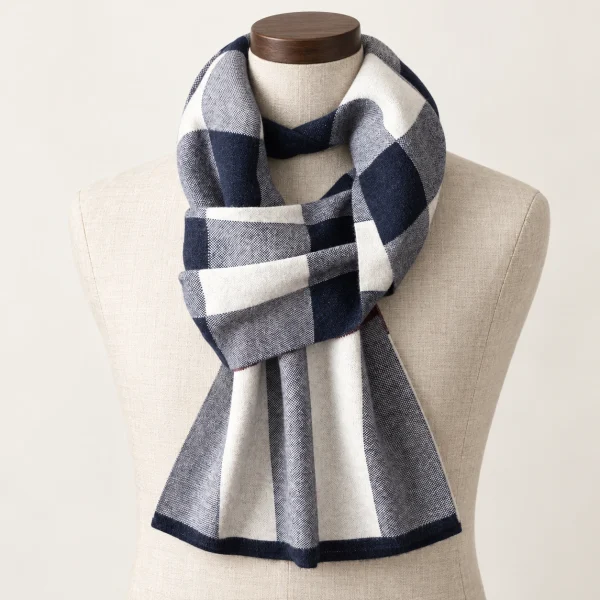
- Fine merino: fine wool from Merino sheep. It is the best place to start if you like wool’s warmth but not its prickle. Our wool scarf guide explains how merino differs from coarser wools.
- Cashmere: the fine undercoat of cashmere goats. Very soft and warm for its weight. See the cashmere scarf guide.
- Alpaca: fiber from the South American alpaca. Many people find good alpaca soft against the skin, though coarser grades exist, so try before you buy.
- Silk: smooth and gentle, but light. Best for style or as a layer under a warmer scarf.
- Cotton, modal and lyocell: plant-based fibers with smooth surfaces and no prickle. Modal and lyocell are made from regenerated wood cellulose and have a soft, fluid drape.
- Fleece and acrylic: synthetic options that do not prickle and are easy to wash. They can feel less breathable when you move from cold streets into warm rooms.
Fibers to approach with care
Not every soft-looking scarf is soft at the neck. Mohair’s fluffy halo can tickle sensitive skin, though kid mohair is gentler; read our mohair scarf guide before choosing one. Coarse, rustic wools and some recycled wools can prickle. Heavily brushed surfaces may shed loose fibers that tickle. And a label that just says “wool” gives you no clue about fineness.
Construction matters too
- Smooth weaves such as twill touch the skin with a flatter surface than chunky knits.
- Tight, fine knits feel softer than loose, open knits with lots of fiber ends.
- Hems and labels can scratch even when the fabric does not. Check seams and remove a scratchy label carefully if it bothers you.
- Fringe rarely touches the neck, but a stiff fringe can irritate the chin if you wrap the scarf high.
How to test a scarf before you buy
- Rub it against the inside of your wrist, then against the side of your neck. The neck is the real test.
- Wear it for a few minutes if you can, not just a few seconds. Prickle often builds slowly.
- Check the fiber label for specifics such as “merino” or “cashmere,” not just “wool.”
- When buying online, check the seller’s return terms before you order, so you can send back a scarf that turns out to prickle.
Tricks that help
- Wear the scarf over a shirt collar or a turtleneck so it doesn’t touch bare skin.
- If the label allows hand washing, a gentle wash with a wool detergent can make a new wool scarf feel a little softer. Our guide on how to wash a wool scarf explains the steps.
- Choose woven over chunky knits: smoother surfaces touch the skin less.
- Try a scarf against the inside of your wrist before buying.
- Layer a thin silk or cotton scarf under a warm wool one, so the soft fabric touches your skin and the wool supplies the warmth.
The best knot for sensitive skin
- Hold the scarf by its middle so both ends are even.
- Place the middle behind your neck.
- Let both ends fall straight down the front. No knot.
A loose drape or a relaxed once-around keeps the scarf off the most sensitive part of your neck.
- Hang the scarf around the back of your neck, over your collar.
- Let the ends fall down the front without wrapping.
- Close your coat over the scarf so it stays in place without pressing against your throat.
Tight knots press fibers into the skin and make prickle worse. For other loose styles, see how to wear a scarf for men.
Itch-free scarves by season
- Deep winter: cashmere, fine merino, or a thick fleece if you avoid animal fibers. Wrap it loosely and tuck it into your coat. Our guide to winter scarves for men covers knots for real cold.
- Fall and early spring: fine merino, cotton-cashmere or cotton-modal blends.
- Summer: cotton, linen and silk, none of which prickle.
For a side-by-side look at warmth across fibers, see best scarf material for winter.
Caring for soft scarves so they stay soft
Softness can fade if a scarf is mistreated. Hot water and rough handling can felt wool and cashmere, making the surface denser and scratchier. Follow each label, wash only when needed, dry flat and avoid wringing. Remove pills gently with a fabric comb, because a pilled surface rubs more against the skin. Store scarves clean and dry so the fibers do not mat.
Staying warm without wool
If you cannot wear wool at all, you can still stay warm. Choose a thick fleece or a dense acrylic knit, wear it wrapped and tucked into your coat, and turn your collar up over it. A cotton or silk scarf under a fleece one adds a comfortable, breathable layer at the skin.
FAQ
What is the softest scarf material?
Cashmere and silk, followed by fine merino and cotton-modal.
Is merino wool itchy?
Fine merino rarely itches; coarser wools are the usual culprits.
What is the warmest non-wool scarf?
A thick fleece or acrylic knit — or cashmere if animal fibers other than sheep’s wool are fine for you.
Can a scarf become less itchy over time?
Sometimes. Gentle wear and a label-approved wash can relax the surface, but a coarse wool will never become truly soft. If it still prickles after a few wears, choose a finer fiber.
Are synthetic scarves a good itch-free option?
Yes for comfort and easy care. Fleece and acrylic do not prickle, though some people find them less breathable than natural fibers indoors.
Is cashmere OK if I react to wool?
Many people who find sheep’s wool prickly are comfortable in cashmere because its fibers are so fine. If you suspect an allergy rather than prickle, ask a doctor first.
Read more in cashmere scarves and cotton scarves.
Shop our wool scarves
71 × 12 in · finished edges · free tracked US shipping · 30-day returns
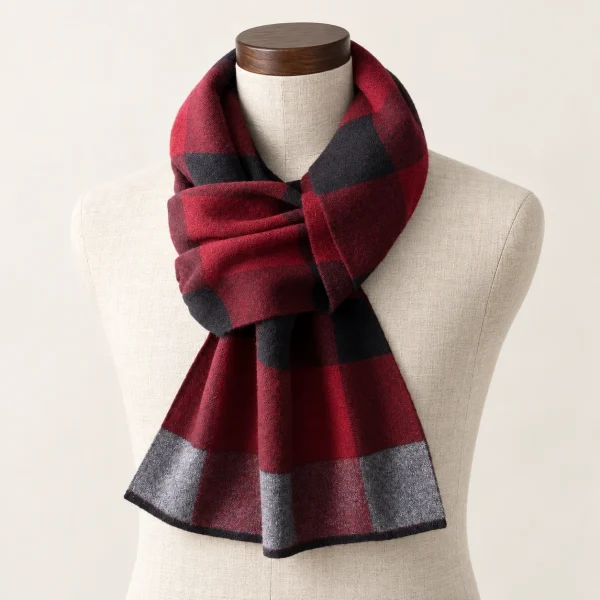 Wine Red Check Reversible Wool Scarf$69.90Add to cart
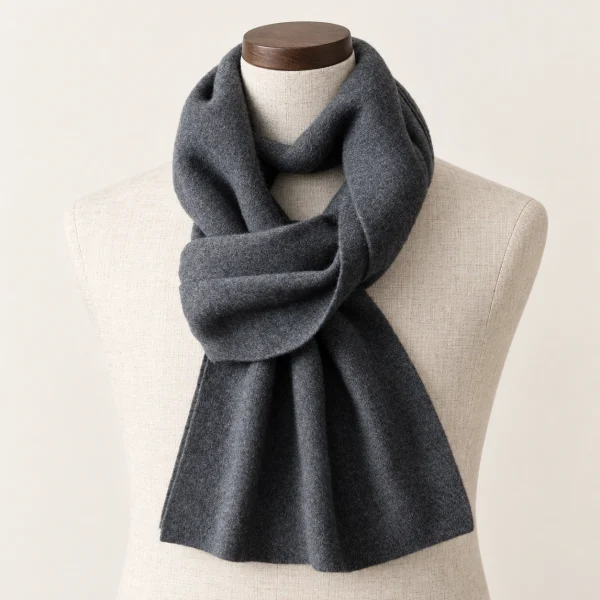 Solid Charcoal Reversible Wool Scarf$69.90Add to cart
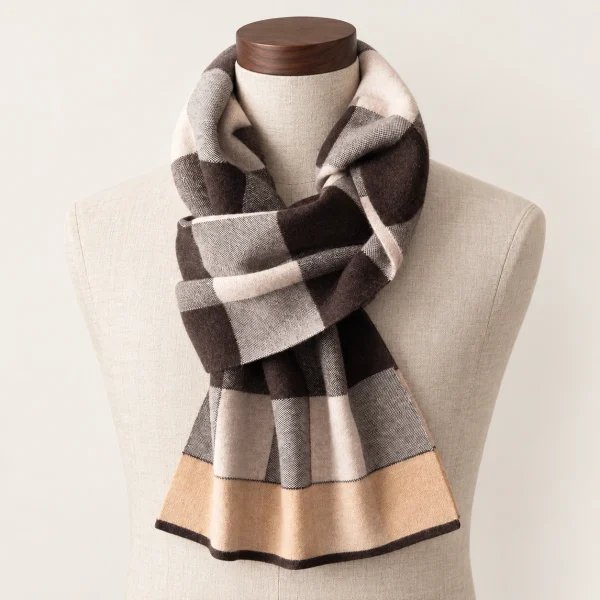 Chocolate & Camel Check Reversible Wool Scarf$69.90Add to cart
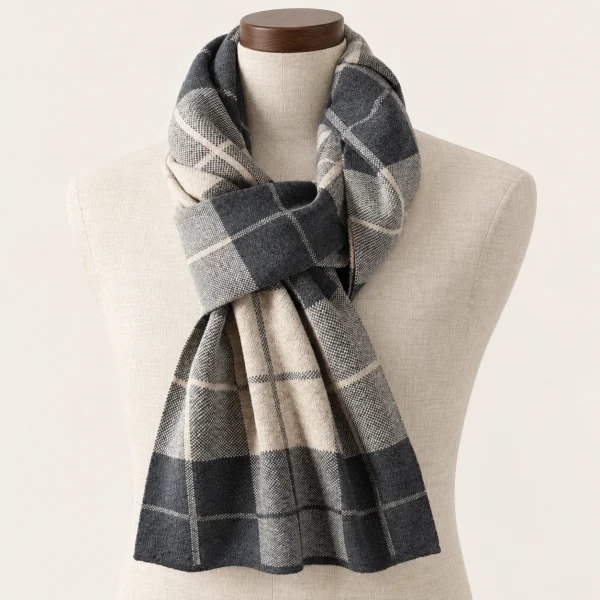 Camel Windowpane Wool-Blend Scarf$64.90Add to cart